How to Reduce Your Out-of-Pocket Healthcare Costs
Healthcare costs may rapidly become a significant financial burden for people and families. Even if you have health insurance, expenses such as deductibles, copayments, coinsurance, prescription drugs, laboratory testing, and specialist visits can accumulate over time.
According to the World Health Organization, billions of people throughout the world continue to struggle financially as a result of direct healthcare spending. In many nations, out-of-pocket expenses remain one of the most significant hurdles to receiving medical treatment.
The good news is that there are several practical strategies to reduce medical expenditures while maintaining the level of treatment you receive.
This tutorial discusses how to decrease out-of-pocket healthcare expenditures by implementing tried-and-true tactics that will allow you to save money while receiving the treatment you require.
What Are the Out-of-Pocket Healthcare Costs?
Out-of-pocket healthcare expenses are those that you pay yourself rather than having your insurance company cover the whole amount.
These fees might include:
Deductibles
Copayments
Coinsurance
Prescription prescription expenditures.
Lab tests
Specialist visits.
Medical Equipment
Out-of-Network Care
Not covered services
Many health insurance plans also include an annual out-of-pocket maximum, which restricts how much you have to spend for approved in-network treatments throughout the plan year. After exceeding this limit, the insurance company typically pays for all covered services.
Understanding these phrases is the first step toward lower healthcare costs.
1. Understand your health insurance plan
Many consumers overspend on healthcare simply because they don’t comprehend their insurance coverage.
Take the time to review:
- Deductible amount
- Copayment obligations.
- Coinsurance percentages:
- Out-of-pocket maximum
- Covered services
- Prescription Drug Coverage
- Provider network
- Prior authorization rules
Knowing these data might help you avoid unexpected medical expenditures and make educated decisions regarding your treatment.
2. Select In-Network Providers
One of the simplest methods to cut healthcare expenditures is to utilize physicians, hospitals, laboratories, and clinics that are part of your insurance plan.
Insurance companies negotiate cheaper costs with in-network providers, so your part of the cost is typically smaller. Using out-of-network providers sometimes leads to much higher costs.
Before arranging care, please confirm that:
- Your doctor is part of the network.
- The hospital is in-network.
- Lab services are covered.
- Specialists are involved in your plan.
This simple procedure can result in savings of hundreds or even thousands of dollars.
3. Compare healthcare prices
Healthcare fees vary greatly among providers, even for the same service.
Before getting non-emergency care, ask:
- How much will the service cost?
- How much will the insurance cover?
- What will I owe?
Price comparisons are relevant for:
- MRI scans
- CT scans
- Blood testing.
- Physical Therapy
- Outpatient procedures
- Specialist visits.
Many insurance firms now provide online cost-estimating tools to assist customers compare pricing.
4. Take advantage of preventive care
Preventive care can detect health issues early, typically before treatment becomes more expensive.
Depending on your insurance plan, preventative care might include:
- Annual wellness checkups
- Vaccinations
- Blood pressure screenings
- cholesterol checks
- Cancer Screenings
- Diabetes Screenings
Many health insurance policies include preventative care at low or no additional cost. Using these advantages can assist enhance long-term health and lower future medical costs.
5. Request generic medications.
Prescription medications can account for a significant amount of healthcare costs.
Generic pharmaceuticals include the same active ingredients as brand-name treatments but are typically far less expensive.
Consult your doctor or pharmacist.
“Is there a lower-cost generic option available?”
You might also inquire about:
Preferred medicines.
Options include mail-order pharmacy, discount schemes, and 90-day prescriptions.
Choosing generic drugs can significantly reduce prescription expenditures.
6. Use Urgent Care instead than the Emergency Room.
Emergency rooms are necessary for life-threatening situations, but they may be costly for minor illnesses and accidents.
Urgent care clinics may be suitable for:
- Minor infections.
- Mild fevers.
- Small cuts
- Sprains
- Ear infections.
- Sore throats.
However, symptoms such as chest discomfort, severe breathing issues, stroke signs, or catastrophic injuries necessitate prompt emergency treatment.
Choosing the appropriate level of care can assist to save needless costs.
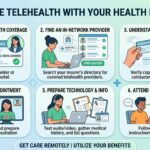
7. Use Telehealth Services.
Telehealth has become an economical solution for a variety of medical requirements.
Virtual visits may be appropriate for:
- Follow-up appointments.
- Medication reviews.
- Minor diseases.
- Mental health consultations
Telehealth may save travel costs, save time, and, in certain cases, lessen medical expenses.
Check with your insurance provider to ensure coverage.
8. Examine medical bills carefully.
Billing problems occur more frequently than most people think.
Check your medical bills for:
- Duplicate charges
- Incorrect dates.
- Services you did not get
- Insurance mistakes
- Incorrect patient information.
Compare invoices to your Explanation of Benefits (EOB), if one is available.
Inquiring about inaccuracies might help you avoid making needless charges.
9. Inquire about financial assistance programs.
Several hospitals and healthcare groups provide financial help.
Programs can include:
- Reduced fees
- Income-based discounts.
- Payment Plans
- Charitable care initiatives
Do not think you have to pay a hefty amount right away without first inquiring about your choices.
10. Utilize Health Savings Accounts (HSAs) and Flexible Spending Accounts (FSAs).
In nations where these accounts are accessible, they can assist cut healthcare expenditures by providing tax breaks.
Benefits could include:
- Pre-tax contributions
- Tax-free withdrawals for qualifying expenditures
- Reduced taxable income
HSAs and FSAs can be effective instruments for controlling future healthcare costs.
11. Avoid Duplicate tests.
Inform your healthcare provider if you have recently undergone laboratory tests, X-rays, or scans.
In certain cases, repeating tests may be essential, but excessive repetition might raise expenses.
Keep copies of key documents.
Test results:
Medical records
Imaging reports
Effective communication among providers can assist to prevent needless expenditures.
12. Concentrate on healthy lifestyle habits.
Maintaining excellent health is one of the most effective long-term strategies for lowering healthcare expenses.
Healthy behaviors include:
- Eating healthful meals.
- Exercise frequently.
- Getting enough sleep.
- Avoiding smoking.
- Managing Stress
- Maintaining a healthy weight.
These practices can help minimize the risk of chronic illnesses and future healthcare costs.
Frequently Asked Questions.
What are the out-of-pocket healthcare costs?
Deductibles, copayments, coinsurance, and non-covered treatments are examples of self-pay healthcare expenditures.
How do I save money on prescription drugs?
Ask about generic prescriptions, check pharmacy pricing, and take advantage of insurance perks like mail-order programs.
Is urgent care cheaper than the emergency room?
In many cases, urgent care is less expensive than emergency treatment for non-life-threatening disorders. Emergency rooms should only be used for urgent medical crises.
How does preventative care save money?
Preventive care aims to detect health concerns early on, potentially lowering the need for costly treatments later on.
Final Thoughts
Healthcare prices continue to climb globally, but there are several solutions to alleviate your financial load.
Understanding your insurance plan, utilizing in-network physicians, comparing pricing, selecting generic prescriptions, examining bills, seeking preventative care, and keeping healthy behaviors are among the most successful techniques.
Reducing out-of-pocket healthcare expenditures isn’t about avoiding medical treatment; it’s about being a more informed healthcare consumer.
By preparing ahead of time and making educated decisions, you may reduce medical costs while still receiving high-quality care for yourself and your family.