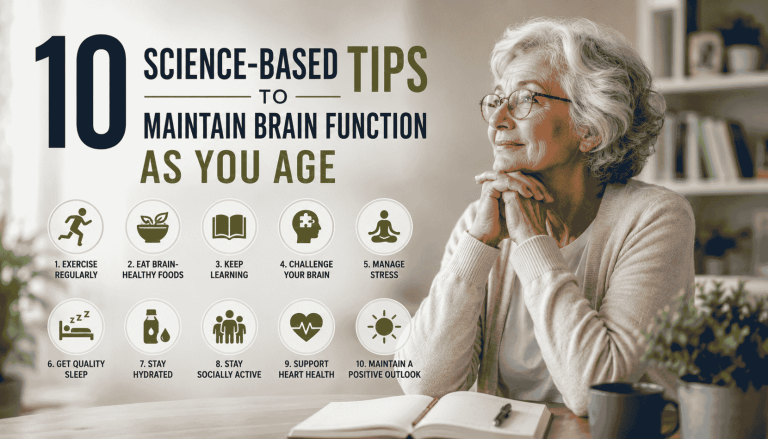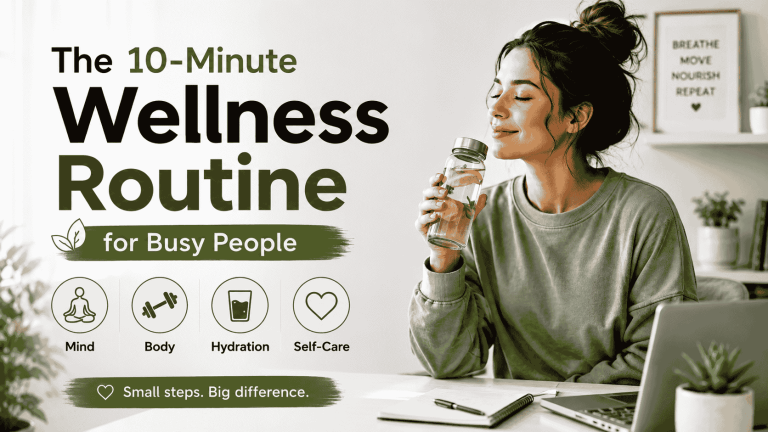

Why Self-Care Matters and How to Practice It
Modern living makes it simple to put yourself last.
Many people spend so much time caring for others that they neglect their own needs due to employment, family obligations, money worries, social obligations, and daily stress.
This is the point at which self-care becomes crucial.
Taking a soothing bath, taking a trip, or purchasing something you like are not the only ways to practice self-care. It includes the daily steps you take to safeguard and enhance your general quality of life, emotional equilibrium, mental health, and physical health.
The good news is that self-care doesn’t have to be costly or difficult. Little, regular actions can have a big impact.
We’ll discuss the importance of self-care, the various forms of self-care, and useful strategies for developing a self-care regimen that works for your way of life in this book.
The decisions and actions people take to promote their health and wellbeing are referred to as self-care.
It may consist of:
Getting adequate rest
Consuming wholesome meals
Continuing to be active
Controlling tension
Spending time with encouraging individuals
When necessary, taking breaks
Establishing sensible limits
Putting relaxing techniques into practice
Setting aside time for interests
Seeking expert assistance when required
Taking care of oneself is not selfish. You may perform better and manage your tasks more easily if you take care of your personal needs.
Healthy behaviors that promote mental health and general well-being include regular exercise, a balanced diet, adequate sleep, leisure activities, and upholding social ties, according to the National Institute of Mental Health.
Why Is Self-Care Important?

Self-care is important since your daily functioning is impacted by your physical and mental health.
Stress and fatigue can accumulate if you continuously neglect your basic requirements. Over time, this could make it more difficult to focus, get enough sleep, control emotions, uphold relationships, or carry out daily tasks.
1. Self-Care Aids in Stress Management
Everyone suffers stress, but living under a lot of stress all the time can make daily tasks more challenging.
Engaging in healthy self-care practices can help your body and mind heal.
Examples consist of:
Walking
Deep breathing exercises
Spending time outside
Taking in some music
Speaking with a reliable person
Taking little pauses throughout a hectic day
Engaging in meditation or mindfulness
While self-care cannot completely eradicate all sources of stress, it can assist you in learning healthy coping mechanisms.
2. Self-Care Promotes Mental Wellness
A vital component of general health is mental well-being.
Better mental health can be achieved by regular sleep, exercise, social interaction, a balanced diet, leisure, and pleasant pursuits.
Maintaining healthy routines and scheduling time for stress-relieving activities are advised by the National Institute of Mental Health.
However, when someone is dealing with a mental health issue, self-care should not be seen as a substitute for professional treatment.
It’s crucial to consult a trained healthcare provider if your symptoms are severe, ongoing, or interfering with your daily activities.
3. Physical Health Can Be Supported by Self-Care
Both your body and your intellect require routine maintenance.
Physical self-care involves fundamental actions like:
Consuming a well-balanced diet
Engaging in regular exercise
Keeping up healthy sleeping practices
Maintaining Hydration
Observing advised medical treatment
Maintaining proper hygiene
Steer clear of dangerous substances
The Centers for Disease Control and Prevention advise individuals to engage in muscle-strengthening activities at least twice a week in addition to at least 150 minutes of moderate-intensity physical activity every week.
You are not required to accomplish this right away. Build your regimen gradually, starting with exercises that are appropriate for your present level of fitness.
4. Taking Care of Yourself Can Boost Your Daily Vitality
You may experience physical and mental exhaustion if you routinely disregard sleep, diet, exercise, and relaxation.
You can improve your everyday energy levels with a good self-care regimen.
For instance:
Set up a regular sleep pattern.
Consume balanced meals on a regular basis.
When sitting for extended amounts of time, take pauses to move around.
Take some time to go outside.
When working on difficult activities, take brief pauses.
Set aside time for enjoyable pursuits.
The goal of self-care is not to maximize productivity at all times. Sometimes you just need to take a break.
5. Relationships Can Be Strengthened by Self-Care
Spending time by yourself is not the only aspect of self-care.
A key component of wellbeing is having healthy relationships. A sense of belonging, camaraderie, and emotional support can all be obtained through social interaction.
Self-care could entail:
Making a friend call
Spending time with relatives
Participating in a community organization
Expressing your emotions to a trusted person
Seeking assistance when required
Boundaries might also be necessary for healthy partnerships.
One of the most crucial aspects of safeguarding your time and energy is learning to say “no” to irrational demands.
6. Self-Care Assists You in Identifying Your Needs
People with hectic schedules may fail to pay attention to bodily and mental cues.
You might avoid dealing with emotions because you don’t have time, skip meals because you’re busy, or keep working when you’re fatigued.
Self-care urges you to take a moment to consider:
“What do I need right now?”
Sleep might be the solution at times.
At other times, it might be food, exercise, quiet time, social interaction, or professional assistance.
Maintaining balance requires you to be aware of your requirements.
Various Forms of Self-Care
Self-care is not universally applicable. Considering several aspects of well-being might be beneficial.
Physical Self-Care
Taking care of your body is the main goal of physical self-care.
Examples consist of:
Frequent exercise
nutritious meals
Getting enough sleep
Water consumption
Individual cleanliness
Medical examinations
Taking prescription drugs as instructed
Mental Self-Care
Reducing needless mental overload and preserving a positive relationship with your thoughts are the major goals of mental self-care.
Try:
Perusing
Acquiring new knowledge
Taking a break from screens
Keeping a journal
Time spent in the outdoors
Being conscious
Reducing the amount of information
During stressful workdays, it can be especially beneficial to give your brain regular pauses.
Self-Care for Emotions
Recognizing, expressing, and controlling emotions in healthy ways are all part of emotional self-care.
You can put it into practice by:
Writing about your emotions
Speaking with a reliable person
Giving yourself permission to relax
Self-compassion exercises
Acknowledging your emotional boundaries
Seeking expert assistance when required
Good self-care doesn’t require ignoring challenging feelings.
Social Self-Treatment
People require human interaction.
Social self-care can consist of:
Having a good time with friends
Making calls to relatives
Getting involved in a hobby group
Taking part in community events
Keeping up relationships of support
Establishing limits in dysfunctional relationships
More important than number is quality. Possessing a big social circle may not be as beneficial as having a few supporting friends.
Spiritual Self-Care
It’s not necessary for spiritual self-care to be religious.
For some, it might entail religious rituals or prayer. For others, it could entail contemplation, thankfulness, meditation, time spent in nature, or contemplation of one’s own ideals and purpose.
Finding activities that you find significant is crucial.
How to Take Care of Yourself Every Day
A complex routine is not necessary.
Here are some doable strategies for incorporating self-care into your everyday routine.
1. Get Up Early Without Hurrying
After you wake up, try to give yourself a few peaceful minutes.
You could:
Have some water.
Stretch
Inhale deeply many times.
Put your priorities in writing.
Refrain from monitoring social media right away.
You can tackle the day more purposefully if you get off to a peaceful start.
2. Make Sleep a Priority
One of the most crucial aspects of self-care is getting enough sleep.
Although individual needs may differ, most individuals require at least seven hours of sleep every nite. (cdc.gov)
Try establishing a regular sleep schedule by:
Having a consistent bedtime every nite
Getting up at a regular time
Maintaining a quiet and cozy bedroom
Restricting stimulating activities prior to bedtime
Steer clear of too much caffeine in the evening.
Consider talking to a healthcare provider if you consistently have trouble falling asleep even after making adjustments.
3. Move Your Body
It’s not necessary to spend hours at the gym in order to exercise.
You can select enjoyable activities:
Walking, cycling, swimming, dancing, and gardening
Trekking
Strength training
Yoga
Sports for recreation
An exercise that you can actually maintain is the finest.
4. Consume to Promote Your Health
In the kitchen, self-care also takes place.
Strive for a varied diet that includes foods high in nutrients, like:
Vegetables
Fruits
Whole grains
Legumes and beans
Seeds and nuts
Sources of lean protein
Good fats
Focus on developing sustainable eating habits rather than severe diets.
5. Take Frequent Rest Periods
It’s not always the case that working consistently equates to effective work.
When working or studying for extended periods of time, try taking quick breaks.
You could:
Get up and stretch
Stroll around
Have some water.
Turn away from the screen.
Breathe slowly a few times.
Taking brief pauses can allow you to recharge before getting back to work.
6. Acquire the Skill of Setting Limits
Knowing when to say no is one of the most neglected aspects of self-care.
You are under no need to accept every invitation, request, or duty.
Some examples of healthy limits are:
Refusing when you already have a busy schedule
Reducing pointless discussions
Safeguarding your private time
Minimizing interaction with situations that are constantly damaging
Clearly expressing your needs
Being impolite is not the goal of setting boundaries. It’s about being aware of your boundaries.
7. Don’t Use Your Phone as Much
Technology can be helpful, but social media and incessant notifications can make it hard to unplug.
Think about designating times during the day when you can’t use your phone.
For instance:
No social media 30 minutes before bedtime
While eating, put your phone aside.
20 minutes after waking up: no pointless alerts
Little digital limitations can free up more time for focused hobbies, relationships, and relaxation.
8. Schedule Activities You Enjoy
Responsibilities shouldn’t be the only aspect of self-care.
Make room for enjoyable hobbies.
You could:
Go through a book.
Prepare
Play some music.
Paint for the Garden
Take a picture of nature
Watch a film you love.
Spend time with friends.
Take up a new pastime
A balanced existence can legitimately include enjoyment.
9. Engage in Self-Compassion
Many people treat themselves far more harshly than they do other people.
Try asking a more helpful question in place of harsh self-criticism when you make a mistake:
“What can I learn from this?”
Ignoring errors is not a sign of self-compassion. It entails accepting responsibility for your actions while also treating yourself with empathy.
10. Seek Assistance When Needed
Sometimes self-care is realizing that you can’t manage everything on your own.
When you’re having trouble, talk to someone you can trust.
Consider consulting a licensed healthcare or mental health professional if stress, depression, anxiety, sleep issues, or other challenges continue or interfere with day-to-day functioning.
Asking for assistance is not a sign of weakness. It may be a crucial component of self-care.
How to Establish a Basic Self-Care Schedule
A healthy self-care regimen should be practical rather than ideal.
Here’s an illustration:
Good morning.
Have some water.
Take a few minutes to stretch.
Have a healthy breakfast.
Determine the tasks that are most important to you.
In the afternoon
Take a quick rest from moving.
Have a well-balanced lunch.
Take a short break from your screen.
Evening
Go for a stroll or engage in another fun activity.
Spend time with loved ones or friends.
Cut down on needless screen time
Get ready for the following day.
Prior to going to bed
Maintain a calming routine
Put your phone away.
Read or engage in another relaxing activity.
Set a regular time for going to bed.
You are not need to adhere to this precise regimen. Tailor it to your tastes, schedule, obligations, and health requirements.
Frequently Asked Questions Regarding Self-Care
Which type of self-care is the most crucial?
There isn’t a single self-care strategy that works for everyone. Overall well-being is influenced by sleep, diet, exercise, stress reduction, relationships, and proper medical treatment.
When I’m busy, how can I take care of myself?
Begin with little steps. A complex schedule may be more difficult to stick to than a 10-minute stroll, a quick break, a few minutes of relaxation, or a regular sleep.
Does mental health benefit from self-care?
By promoting sleep, exercise, relaxation, social interaction, and healthy habits, self-care techniques can enhance mental health. However, when professional mental health treatment is required, self-care cannot take its place. (nimh.nih.gov)
How frequently should I take care of myself?
When you incorporate self-care into your daily routine instead than only doing it when you’re feeling worn out, it works best. Daily routines, no matter how minor, can be beneficial.
What does self-care look like?
Getting enough sleep, exercising, eating a healthy diet, taking a break, spending time with encouraging people, practicing mindfulness, engaging in a hobby, and asking for assistance when needed are some examples.
Concluding Remarks
Because your health has an impact on every aspect of your life, self-care is important.
Being flawless or devoting hours to complex wellness regimens are not the goals of self-care. It involves being aware of your social, emotional, mental, and physical needs and taking action to meet them.
Begin modestly.
Make sure you get enough rest. Make physical movements. Consume wholesome foods. Take pauses. Spend time with those that encourage you. Establish sensible limits. Make space for things you like to do. And when you need professional assistance, don’t be afraid to ask for it.
The most difficult self-care regimen isn’t always the most successful.
It’s the one you can actually practice and keep up.